18 December 2025
Skills to Teach: building a stronger, more inclusive aquatic workforce
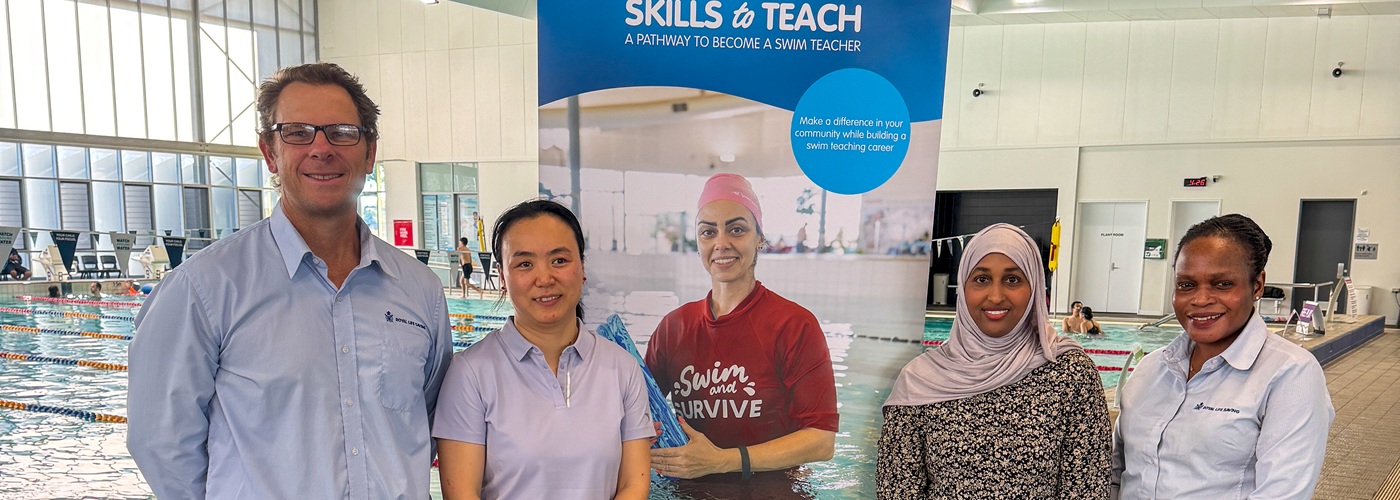
Royal Life Saving WA’s Skills to Teach program is creating meaningful pathways for people from multicultural communities to build water safety skills, gain confidence and progress toward employment in the aquatics industry.
Supported by the WA Government, the program responds to a critical need across Western Australia: ensuring that everyone, regardless of background, has access to swimming and water safety education, and that the workforce delivering these skills reflects the diversity of the communities it serves.
Responding to a real need
Drowning remains a significant issue in Western Australia, with 40% of drowning deaths involving people born overseas. Cultural, language and access barriers can prevent participation in traditional swimming programs, leaving families without essential water safety skills.
Skills to Teach addresses these barriers by supporting participants from diverse backgrounds to become confident role models and future swim instructors within their own communities. By doing so, the program strengthens trust, improves participation and supports long-term safety outcomes.
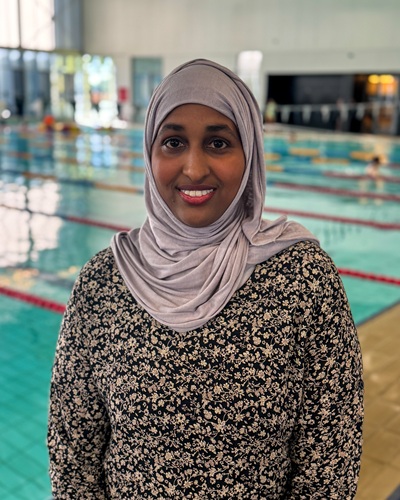 Somali community leader Luul Ibrahim, who attended the recent Skills to Teach program launch, highlighted the importance of this work.
“Programs like this play a vital role in strengthening water safety education for families across Western Australia,” Ms Ibrahim said.
“They are especially important for multicultural communities, where access to structured water safety training has historically been limited.”
About the Skills to Teach program
Skills to Teach is an eight-week program, currently delivered at Riverton Leisureplex and Swan Active Midland, with evening sessions designed to support participants balancing work, study or family commitments.
The program provides training in:
- Aquatic and water safety skills
- Rescue techniques
- The foundations of effective and inclusive swim instruction
It is open to people aged 16 and over who can swim at an intermediate level, including those who have completed Stage 6 of Swim & Survive.
Participants are supported to build confidence in the water while developing practical teaching skills and progressing toward the Royal Life Saving WA Swim Teacher qualification.
Learning to teach, not just swim
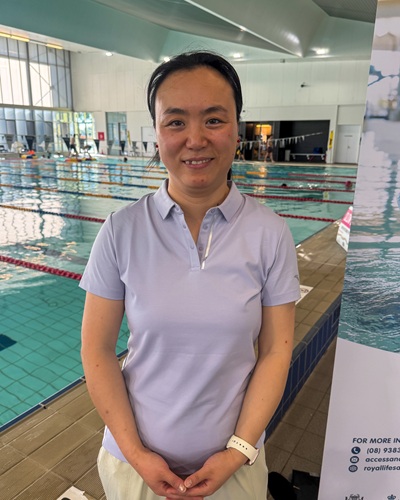 For many participants, Skills to Teach offers a new perspective on swimming – moving beyond personal ability to learning how to support others safely and effectively.
Program participant Yuan Mei said the structured approach to teaching was a key learning outcome.
“Learning how to teach someone to swim is very different to just swimming yourself,” Yuan said. “The Skills to Teach program showed me how to break skills down step by step, and that structured way of teaching made a huge difference.”
This focus on clear, inclusive instruction helps participants build the confidence and competence needed to support learners of all ages and backgrounds.
Strengthening communities through representation
By training instructors from multicultural backgrounds, Skills to Teach helps ensure swimming lessons are culturally responsive, inclusive and welcoming. Ms Ibrahim emphasised the importance of representation in building long-term engagement.
“When communities see themselves reflected in programs and instructors, it builds trust, confidence and participation,” she said.
More than 30 participants have already taken part in the program, with graduates progressing toward formal swim teacher qualifications and gaining hands-on experience within community-based programs.
Creating pathways, not just programs
Royal Life Saving WA Manager of Inclusion Programs, Achol Madong, says Skills to Teach is designed to deliver sustainable outcomes.
“Skills to Teach equips participants with the knowledge, mentorship and confidence to teach others. By investing in people, we’re strengthening the aquatics workforce while improving safety outcomes for families across WA.”
Royal Life Saving WA remains committed to expanding Skills to Teach and working alongside community leaders, aquatic facilities and government partners to reduce drowning risk and build inclusive pathways into the aquatics industry.
To learn more about the Skills to Teach program or upcoming intakes, click the link below.
Explore More