4 February 2026
Summer VacSwim lessons return to regional communities
For children growing up in regional Western Australia, summer often brings long, hot days spent near pools and inland waterways like lakes, rivers and creeks. School holiday programs like VacSwim help children build strong swimming and water safety skills that keep them safer around water and stay with them for life.
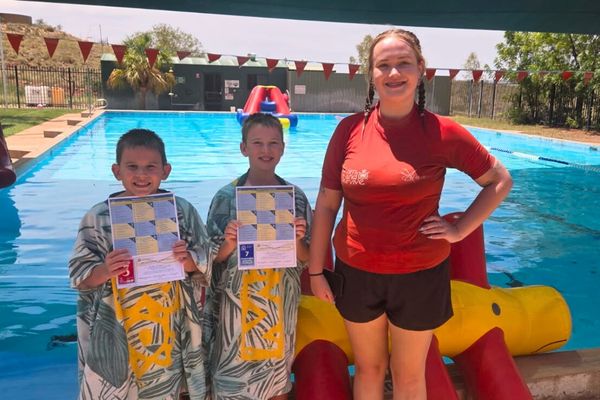
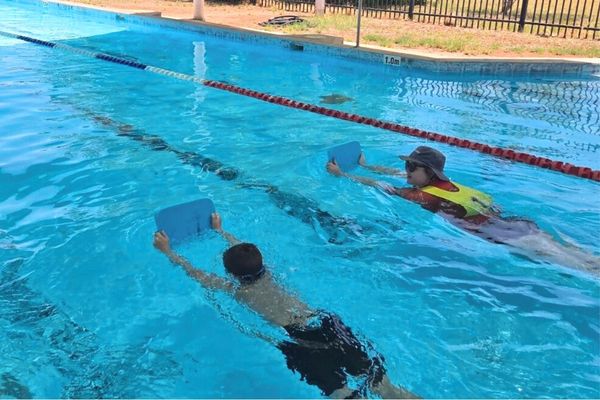
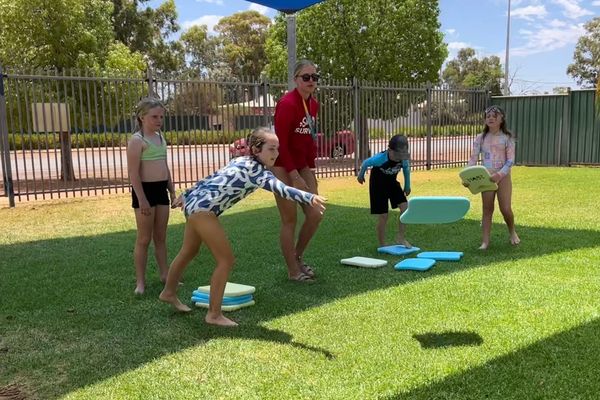
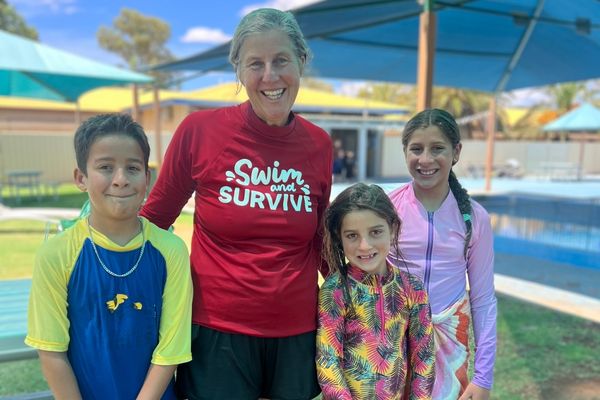
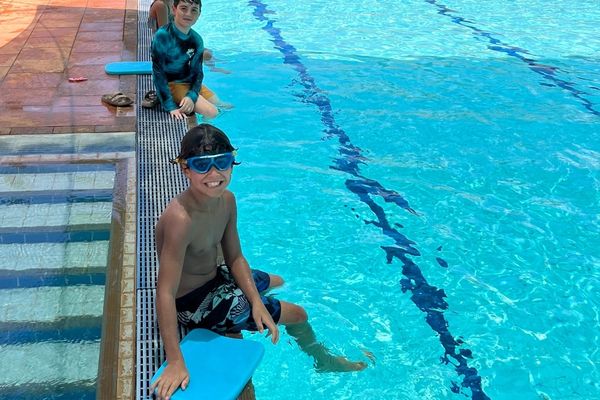
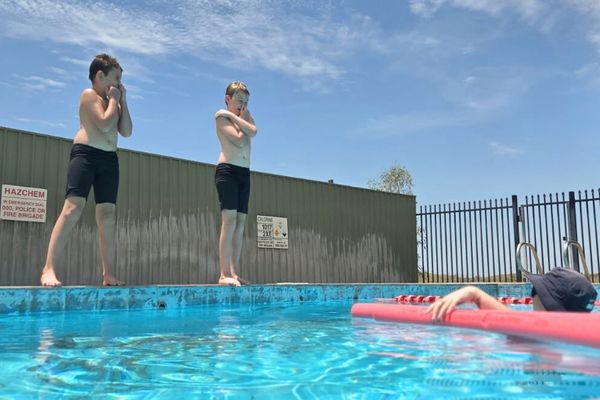
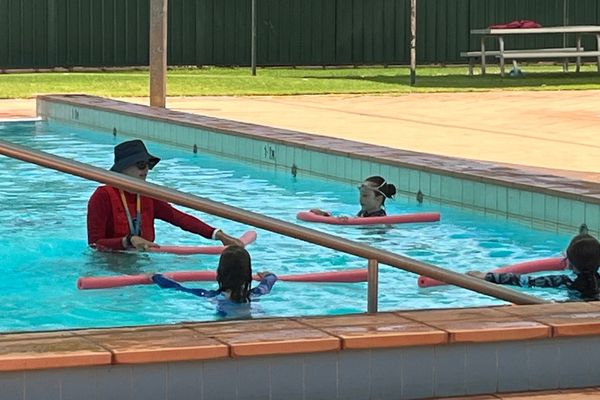
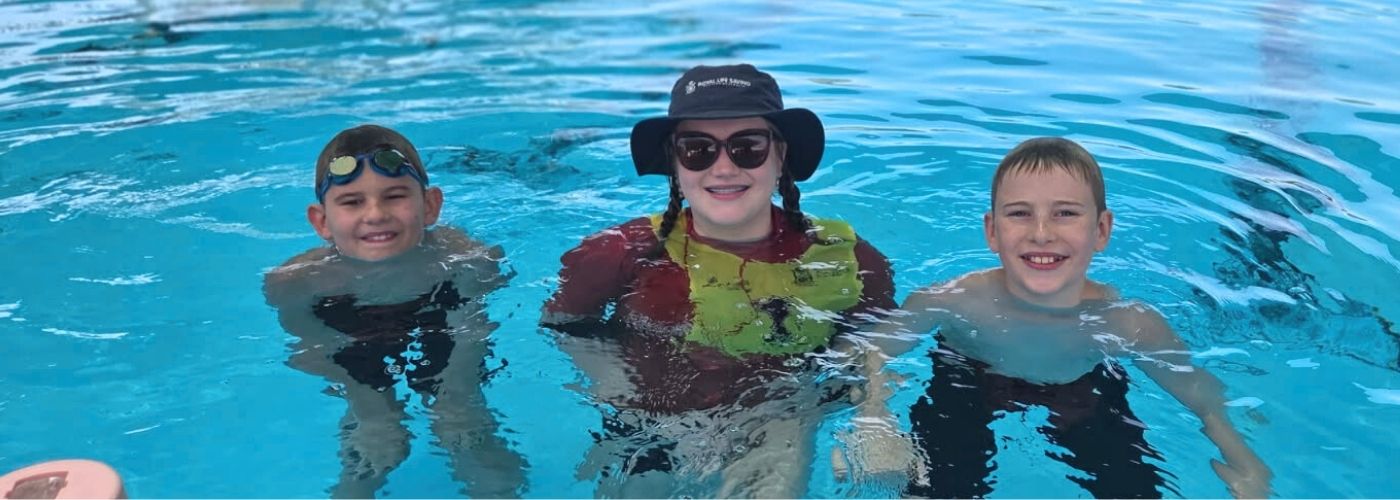
During the January 2026 school holidays, Royal Life Saving WA took VacSwim on the road, delivering lessons in regional communities from the Pilbara to the Mid West and across the Goldfields region. Children from Marble Bar, Mount Magnet, Leinster, Kalgoorlie and Tom Price jumped into lessons at their local community pools, gaining confidence, learning new skills and staying active during the holiday break.
These programs were delivered as part of Royal Life Saving WA’s contract with the Department of Education and led by experienced swim teachers Emily, Bindi, Lisa Sierra and Kenya. For many families, the return of VacSwim each summer is a chance to reconnect with familiar faces and feel supported learning lifesaving skills in a fun and welcoming environment.
“I loved the opportunity to teach in an area that I would otherwise not have had a reason to visit,” shared Emily. “The community was so warm and welcoming!”
“Everyone I met wanted to stop and have a chat about what brought me to Marble Bar. When I told them I was teaching swimming lessons, they were so impressed and grateful that their rural area was receiving these lessons, and how great it was for their local kids.”
In many regional towns where long travel distances and limited local options can make regular lessons hard to come by, VacSwim and in-term programs are often the only way for children to access formal swimming lessons. Bringing qualified instructors directly to these communities helps make sure local kids don’t miss out on learning essential lifesaving skills.
The need for accessible programs like VacSwim is clear. Children aged 5–14 have the second highest drowning rate of any age group in Western Australia. Drowning incidents are also 3.6 times more likely to occur in inland waterways in regional WA than in the Perth metropolitan area. Improving access to swimming and water safety education for regional children is an important step toward reducing this risk.
Royal Life Saving WA extends a sincere thank you to all instructors who bring energy, care and encouragement to every lesson, helping kids feel supported and excited to learn.
We also thank the Department of Education for its continued support of regional communities and its commitment to helping children across Western Australia build water safety skills.