19 May 2026
Inclusive swimming lessons help women build water safety confidence
Royal Life Saving WA’s Inclusion Team has partnered with the Association for Services to Torture and Trauma Survivors (ASeTTS) to support women from multicultural backgrounds to feel safer and more confident in and around the water.
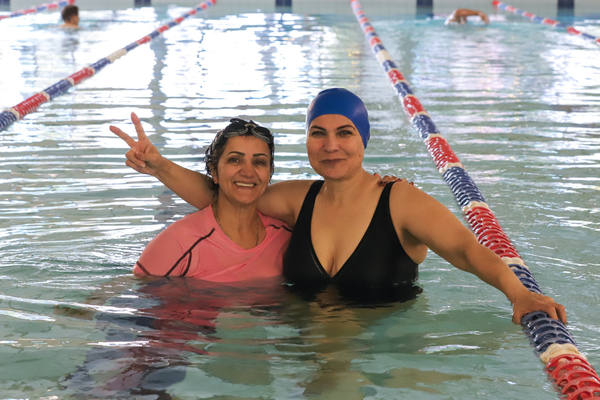
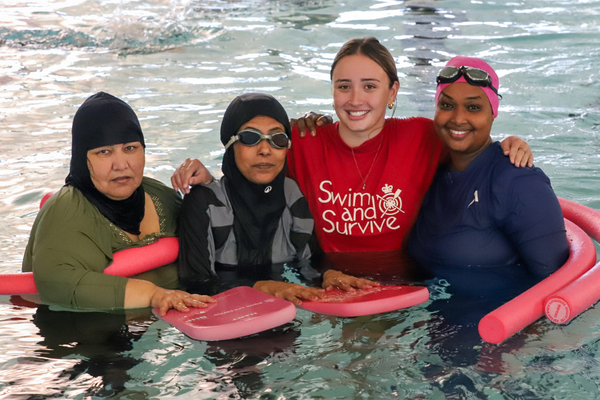
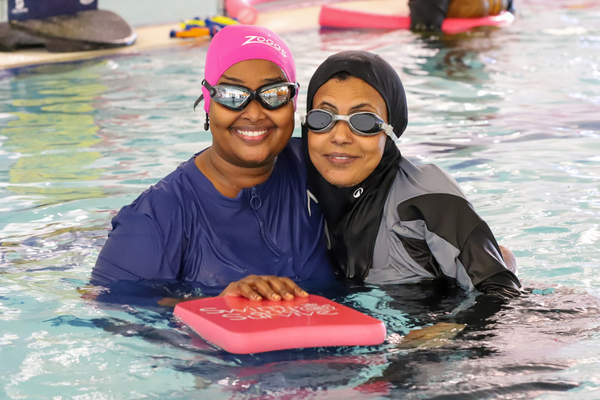
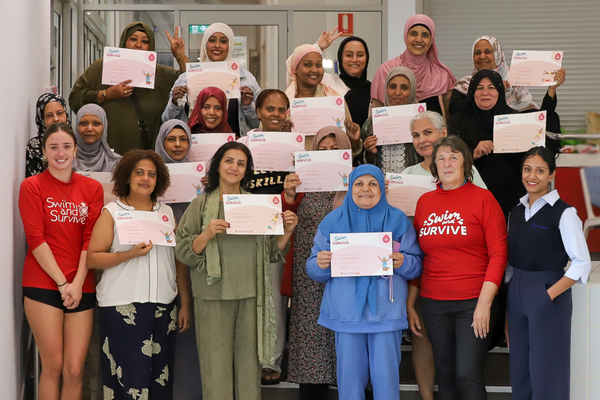
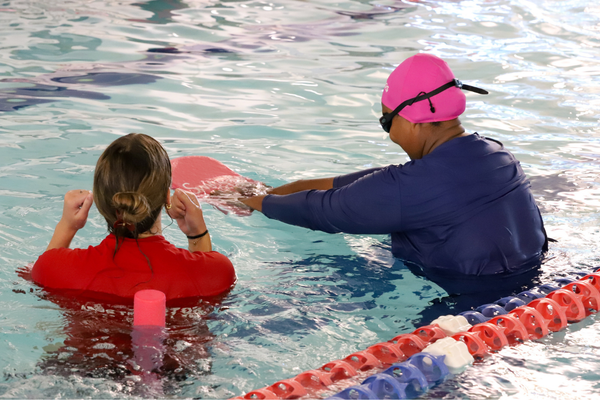
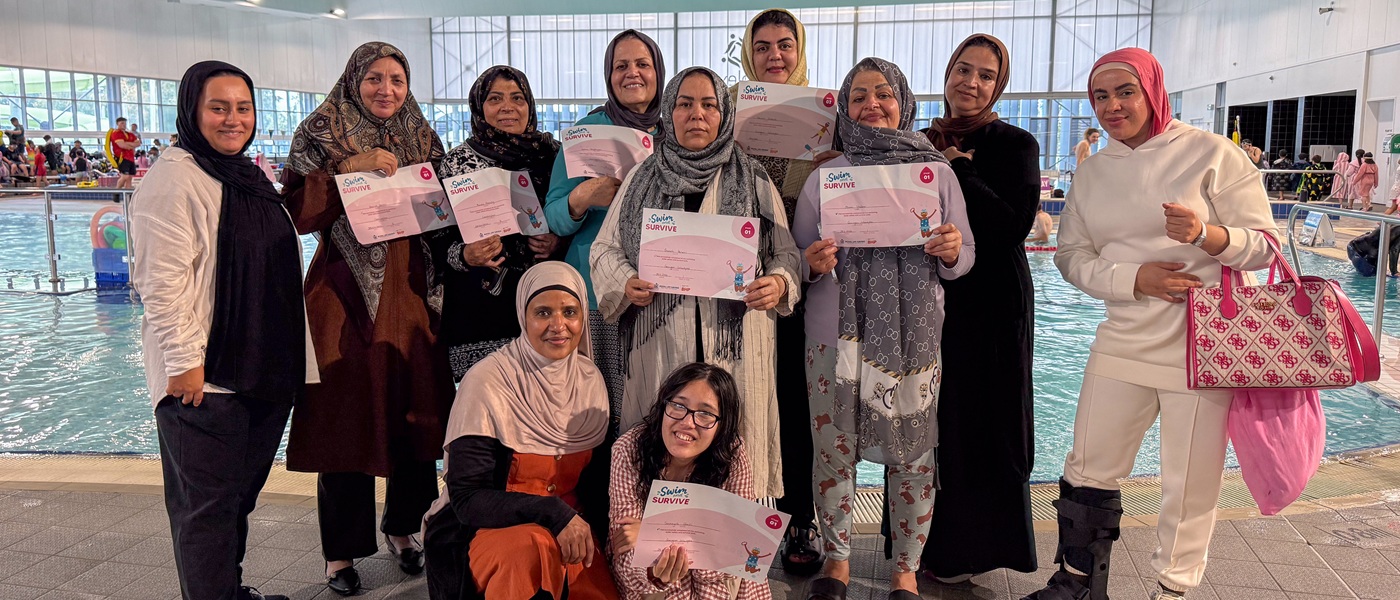
Over March and April, 40 women from culturally and linguistically diverse backgrounds joined us at Cannington Leisureplex and Stirling Leisure Balga to develop practical swimming skills and improve their understanding of water safety.
For many women, the lessons were a big step in overcoming their fear of the water. For others, the program helped them feel more confident getting in the water with their children and prepared to respond if something goes wrong.
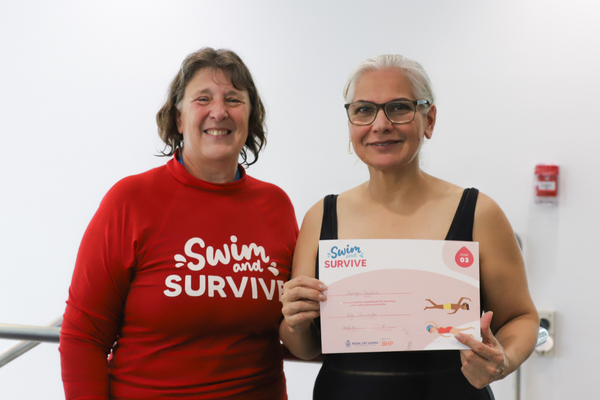
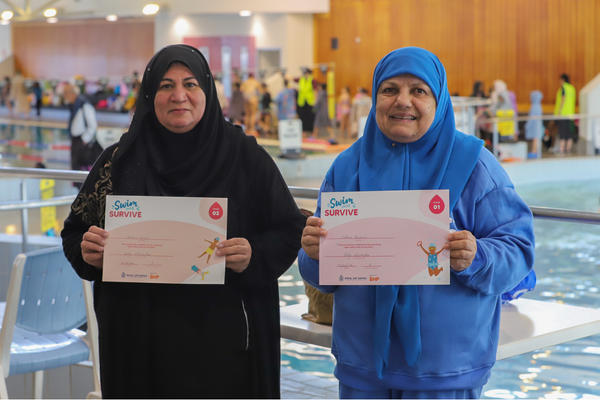
For Fatemeh, who successfully passed both Stage 1 and Stage 2, the program improved both her confidence and mental wellbeing. She described the lessons as a positive way to keep her mind active and focused.
Mones also had strong praise for the program and her instructor, saying she learned a lot over the six weeks.
“I learned about water safety and now feel more confident knowing what to do,” she said.
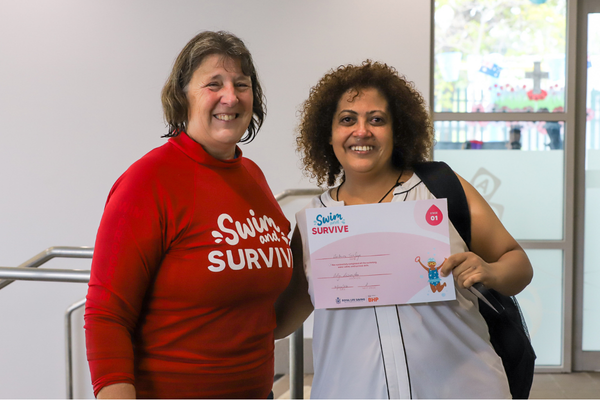
Faranghis said she was grateful to have the opportunity to take part in a program created for women like her.
“I am so glad to have this option for women. Thank you so much to everyone who prepared this. They are lovely and it is an amazing program for women, especially women with a second language,” she said.
For Divya, Royal Life Saving WA’s Metro Inclusion Coordinator, seeing the program in action was a meaningful experience.
“It is truly an honour working with Zainab for the women of ASeTTs,” Divya said. “It is one thing to be behind the scenes organising everything, but it is another to be at the pool and seeing the laughter and joy of everyone who is participating in these lessons. I am thankful to have been a part of these ladies’ journey as they gained confidence and skills in water.”
The program highlights the importance of inclusive water safety education for communities that face barriers to swimming and aquatic participation.
Recent drowning data shows that people born overseas continue to be overrepresented in drowning statistics, accounting for one-third of all drowning deaths. Poor swimming ability is also a factor in more than one in four drowning incidents, many of which occur at unfamiliar or coastal locations. Programs like this help address drowning risks by creating supportive, culturally safe opportunities for adults to learn essential water safety skills.
By the final lesson, many participants had taken an important step toward feeling safer in the water, with practical skills and a new sense of confidence in themselves.
To learn more about how Royal Life Saving WA is supporting multicultural communities to build confidence and safety around water, explore our multicultural programs.
Explore More