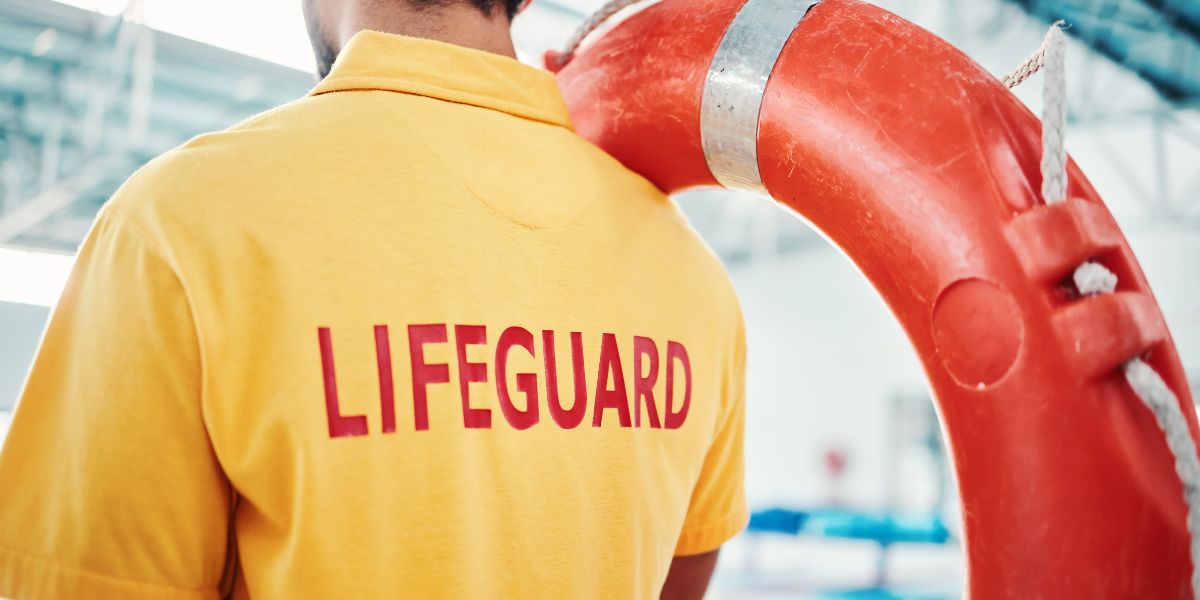
Lifeguards should always be ready for all potential factors in water rescues. Taking simple steps, such as having effective rescue aids, could be the key to drowning and injury prevention. The most effective aids for water-related rescues are those which are sufficiently buoyant and are designed to be used specifically for aquatic rescues.
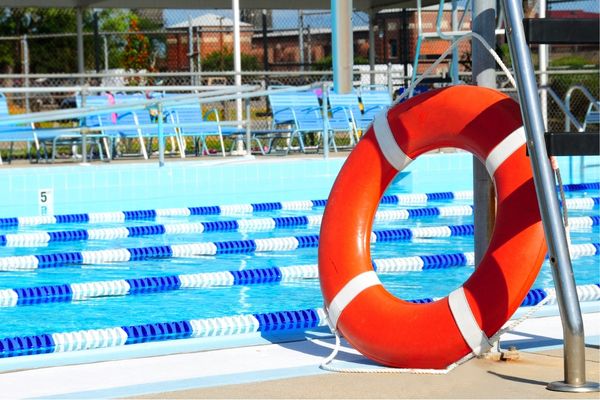
Lifebuoy
The Lifebuoy, life ring, or any of a dozen other names it is known by, is arguably the most recognised symbol of water rescue and safety in the world. The device is designed to be thrown to a person in the water to provide buoyancy and prevent drowning. They are commonly found on ships and near waterways such as oceans, beaches, lakes, rivers and dams.
Although suitable for many conditions, lifebuoys can be unsuitable for busy areas such as swimming pools, as throwing the device into a pool could injure the casualty or nearby swimmers. Instead of rescuing the person, you could potentially knock them out with it!
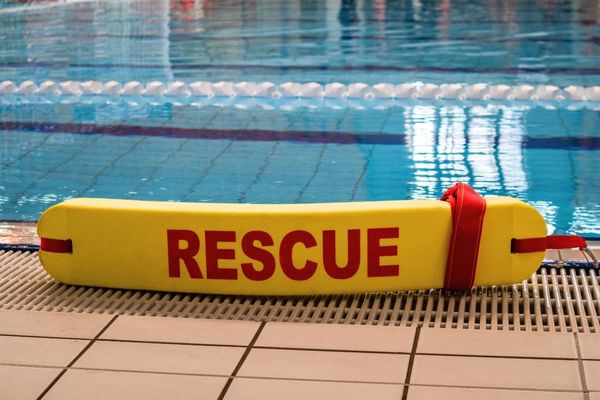
Rescue Tube
The Rescue Tube is a device commonly used by lifeguards at Australian swimming pools and beaches due to its multi-purpose design. The rescue tube is made of a dense foam which makes it lightweight and extremely buoyant, whilst remaining flexible, so it can be wrapped and clipped around a swimmer or casualty. Its longer design can also be used in a reach rescue, while an attached rope can also be used to perform a throw rescue over smaller distances.
To carry, or not to carry?
This is a question commonly asked by many lifeguards who are undergoing training. When first learning the basics of water safety, lifesavers and lifeguards are always taught self-preservation. Performing a rescue without rescue or flotation aids will not only put you at risk, but also endanger the drowning swimmer or casualty.
Ask yourself this: “if I spotted a person in trouble in the water, would I run 20 metres to collect the nearest rescue tube to perform a rescue, or would I just jump in without it?”
Most often, the answer is that you would just jump in without it due to reflex actions. However, this will increase the risks associated with the rescue.
As a lifeguard, you should always carry a rescue tube with you to ensure you are always prepared for a potential rescue. It is always better to have it but not need it rather than need it and not have it.
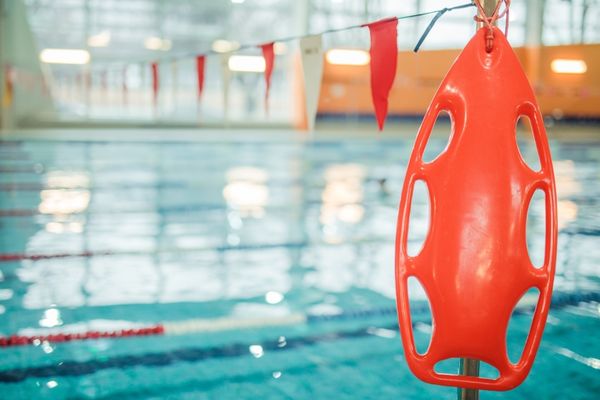
Rescue Buoy/Torpedo Buoy
Another flotation device is the rescue buoy, often referred to as a Torpedo Buoy due to its shape. This device was designed to increase efficiency during a rescue by decreasing the amount of drag on the device whilst in the water. The design is famously shown in the television series and movie Baywatch, and is smaller, lighter and typically made of plastic.
Rescue throw bags
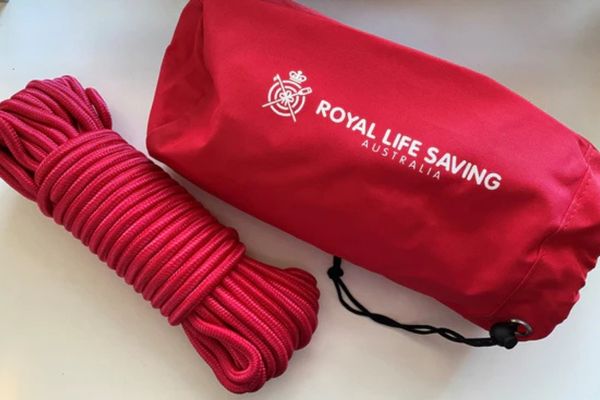
Rescue throw bags are a useful rescue aid that can be carried on a lifeguard’s belt, stored in boats or kept poolside for quick access. The bag contains a length of buoyant, high-visibility rope that is stuffed inside rather than coiled. This allows the rope to deploy smoothly and accurately when the bag is thrown.
During a rescue, the lifeguard throws the bag past the swimmer in distress, the person in the water can then grab the rope while the rescuer pulls them safely towards safety.
Throw bags are commonly used in rivers and open water environments where entering the water may increase the risk to the rescuer. They allow assistance to be provided while remaining on stable ground and are a standard piece of equipment for many water rescue activities.