Is catching a fish worth your life?
Rock fishing involves fishing from rock ledges, submerged rocks and rock faces. It is considered to be the most dangerous sport in Australia. On average, 4% of drowning deaths in Australia each year occur when rock fishing. People born overseas account for around 60% of all rock fishing-related drowning deaths.
In WA alone, there were 28 rock fishing deaths recorded during the ten years to June 2020. The majority of these occurred in regional WA, often at locations notorious for high swells and poor weather conditions.
Why is rock fishing so dangerous?
- Isolated and often treacherous shoreline locations where the activity is usually carried out
- Slippery, uneven and often sharp surfaces of the rocks
- Unpredictable nature of the ocean - sudden large waves combined with the slippery surfaces increase the chance of fishers being swept into the water
- Rescue obstruction - a lack of nearby lifesaving equipment, as well as high swells that can impede sightings of the victim
Despite the risks, people continue to fish from rocks. Royal Life Saving WA urges those who choose to take part to do so as safely as possible by following these tips:
WEAR THE RIGHT GEAR
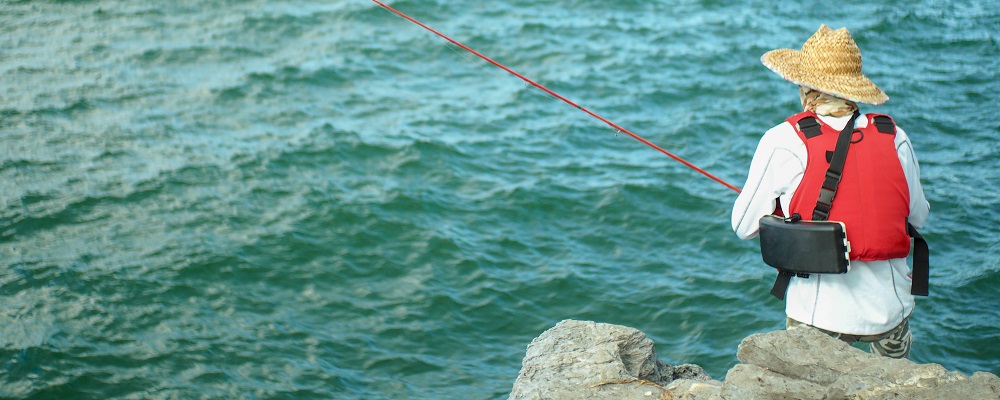
- Always wear a lifejacket or personal flotation device (PFD).
- Wear shoes with non-slip soles or cleats, especially on wet and weedy rocks.
- Wear lightweight clothing that won't weigh you down if you are swept off the rocks (jumpers may be heavy and difficult to take off).
- Carry safety gear such as a rope and a float.
- If possible, wear head protection. Evidence suggests that many people who have drowned received some type of head injury.
MINIMISE THE RISKS
- Tell someone where you are going and when you will be back.
- Never fish alone. It's more fun with a friend and means someone can call for help in case of an emergency.
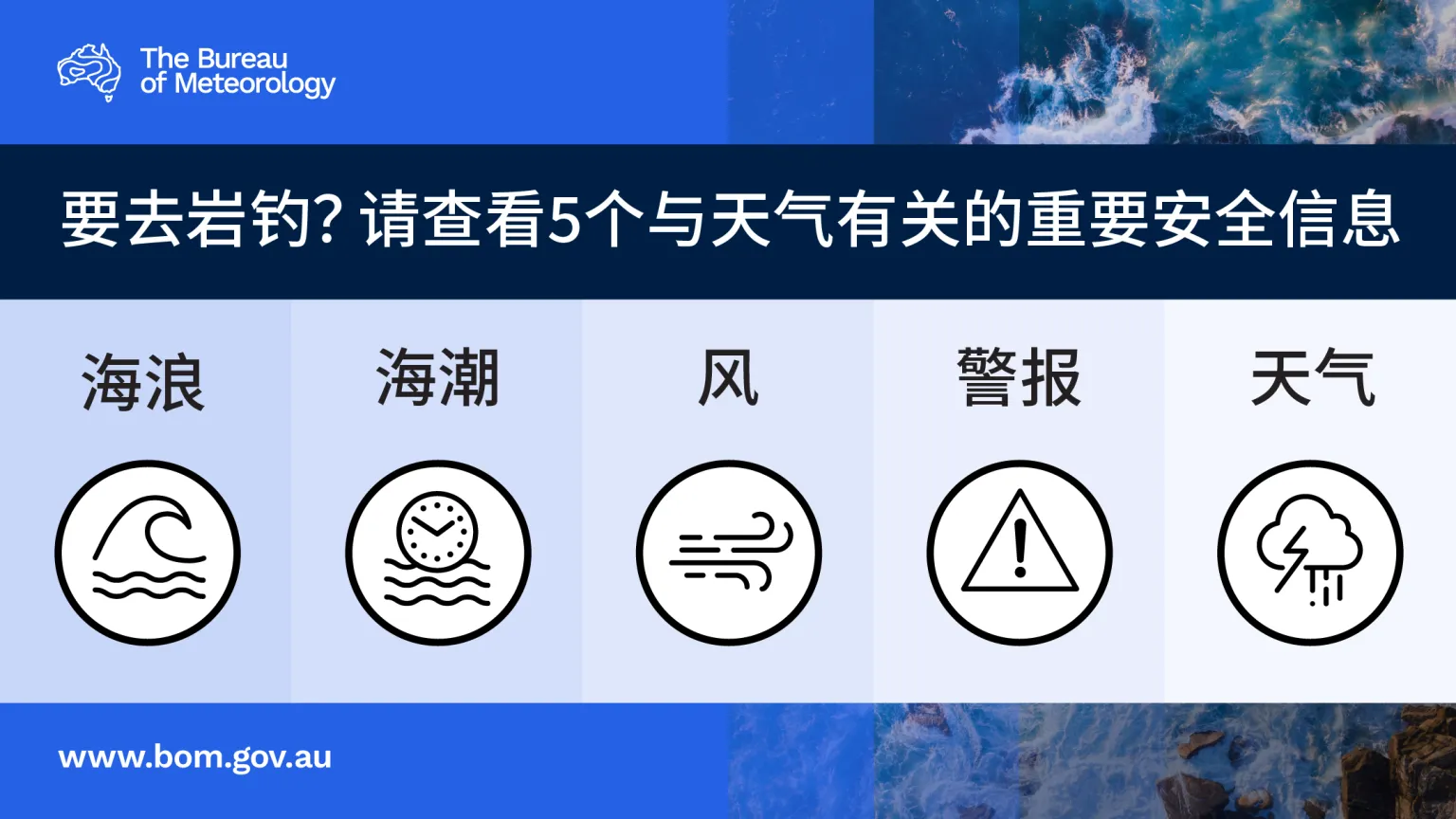
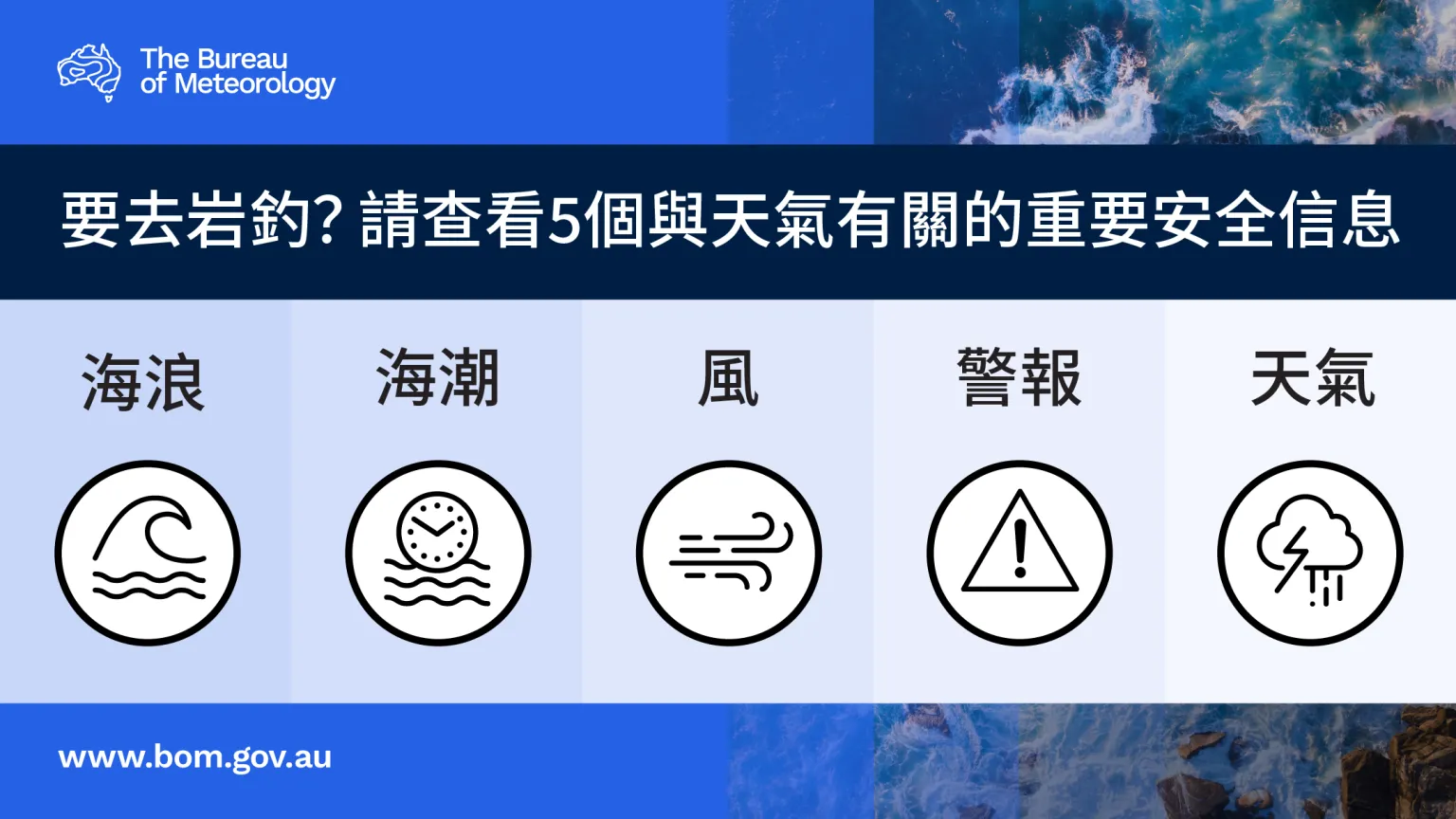
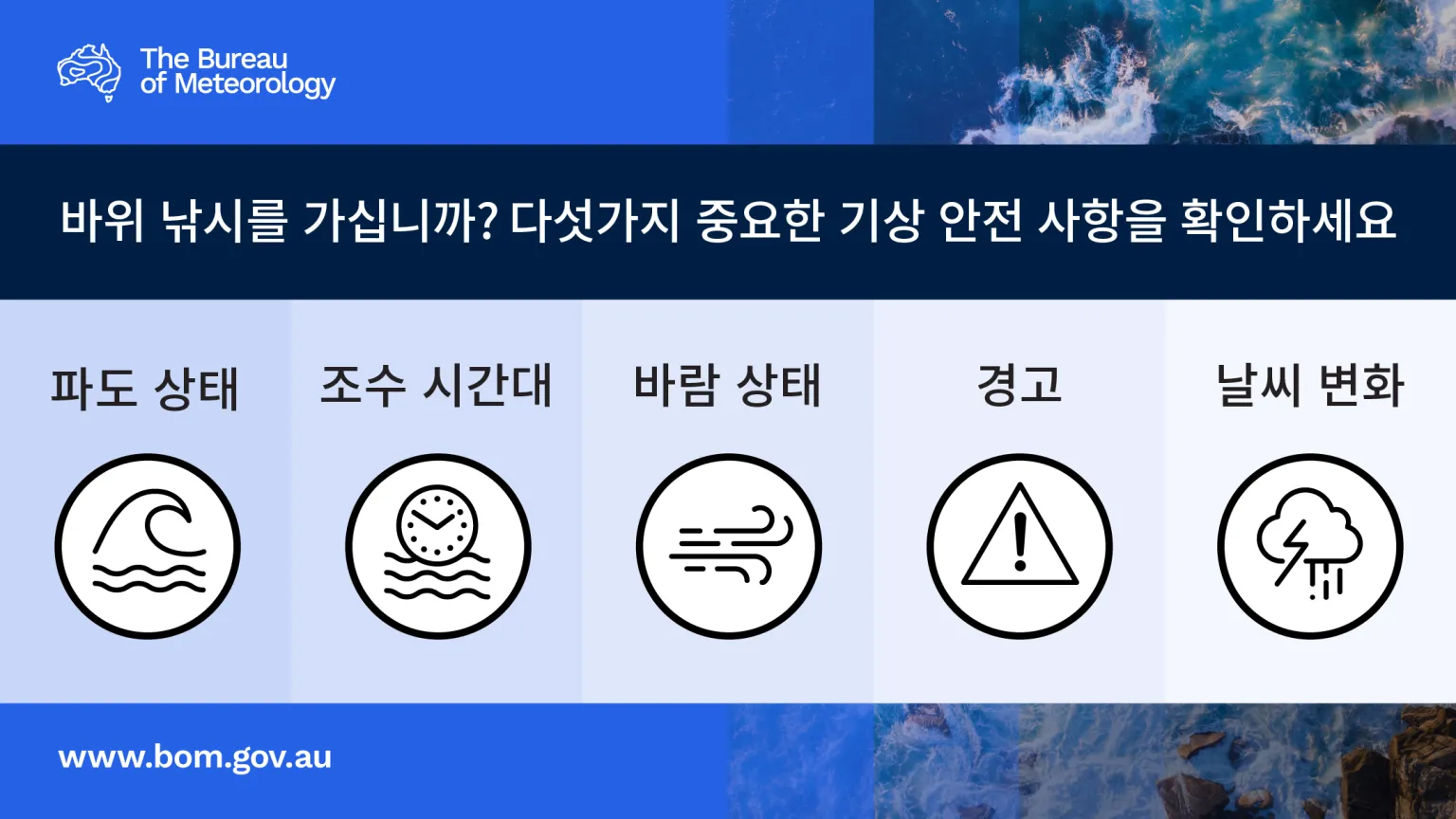
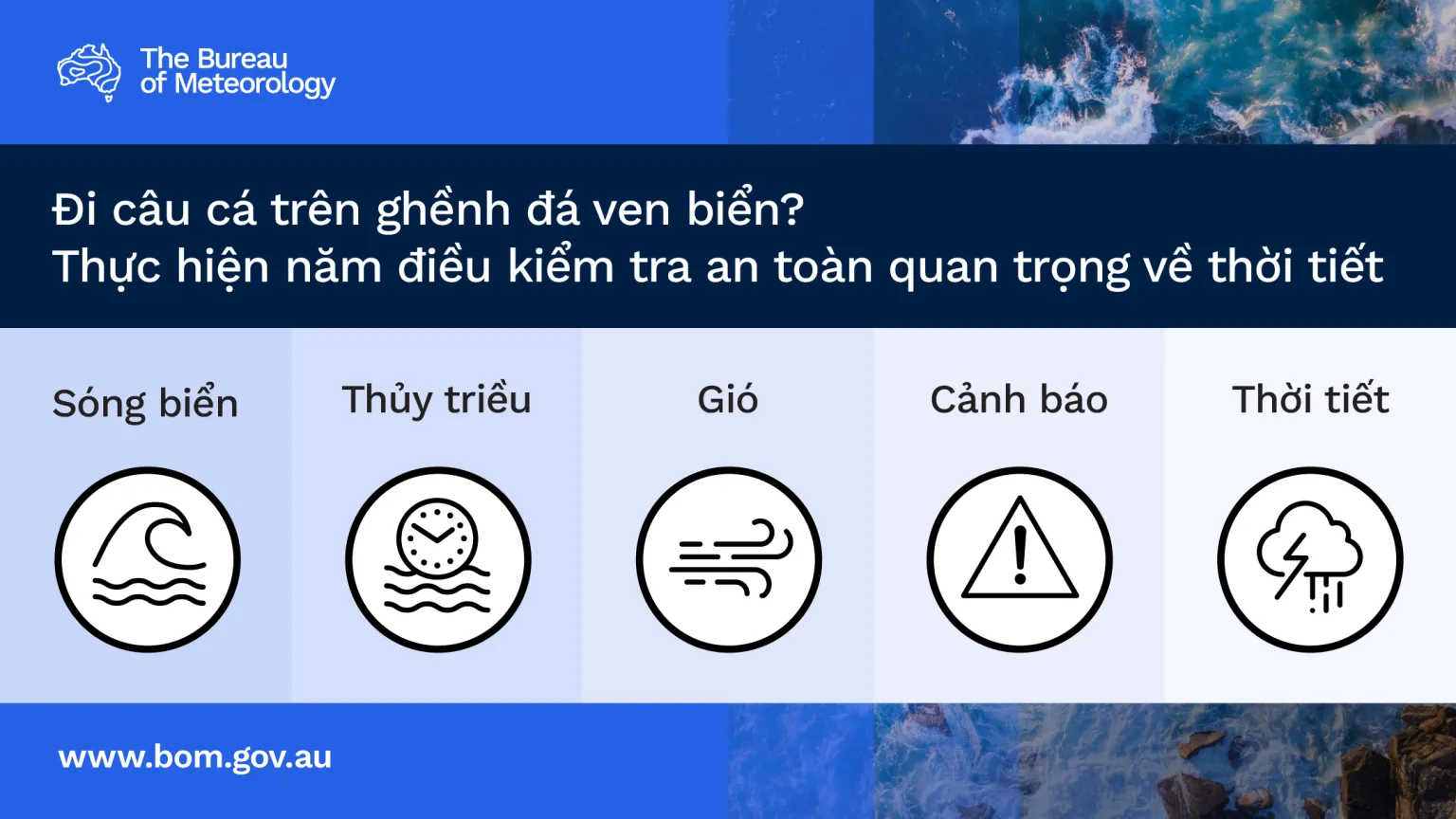
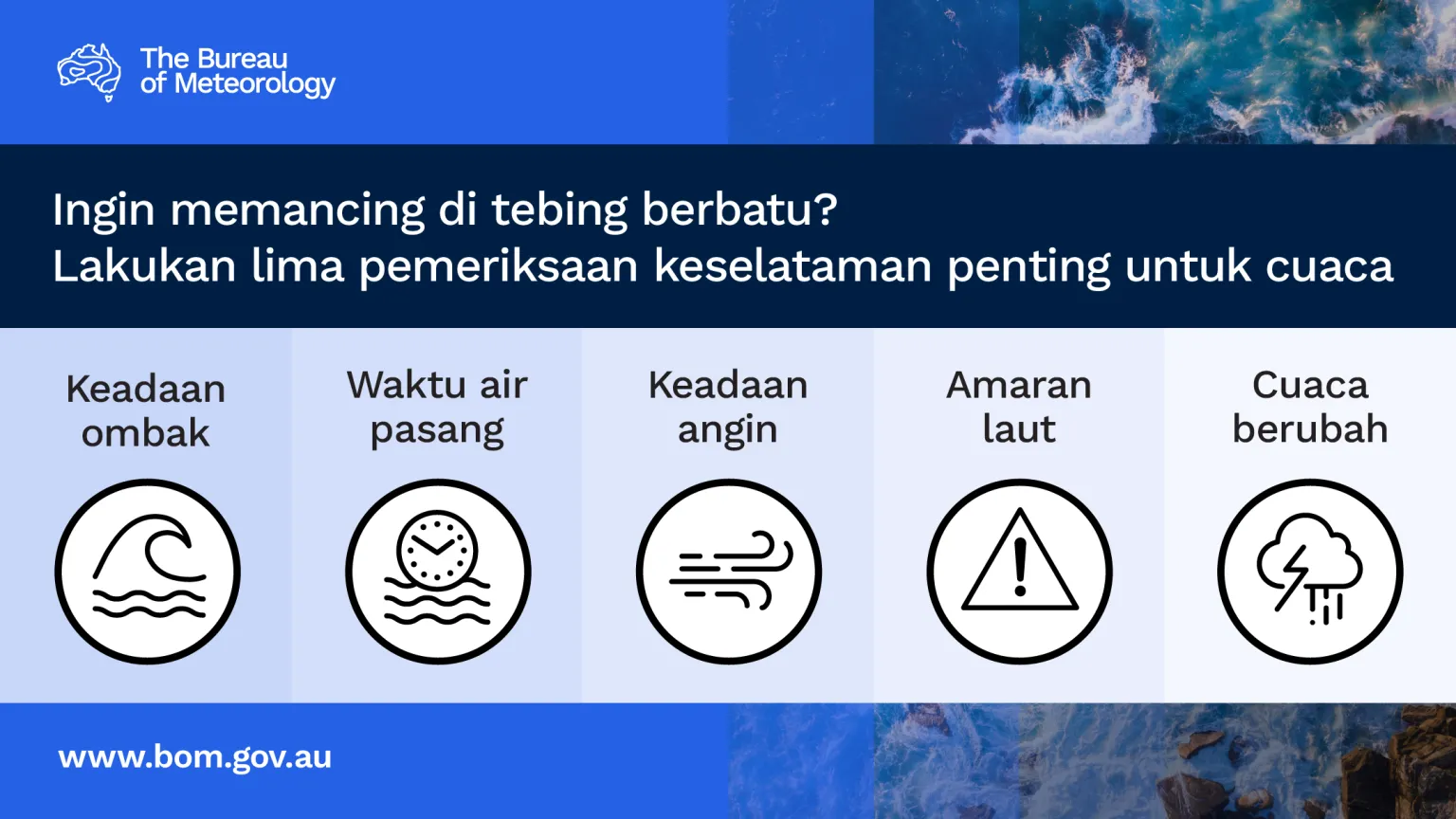
- Check the weather and water conditions before going. Know how the weather and changing tide will affect the location.
- Fish at renowned and easily accessible locations. Look for and read any safety signs at the location.
- Spend some time observing the wind and water conditions before deciding if a place is suitable.
- Never turn your back on the water.
- Conditions can change quickly. If the waves, weather of swell threaten your fishing spot then leave immediately - know your limitations and don't take any risks.
If you end up in the water:
- Swim away from the rocks as much as possible
- Remain calm
- Look for a safe place to come ashore - if this isn't possible, stay afloat while your companions call 000 for help
- Have someone throw a rope or something that floats
Learn more:
- Recfishwest's Fish and Survive
- BoM - Rock Fishing Safety