 Thanks to the DRSABCD Action Plan, we know that it’s important to clear an unconscious person’s airway before assessing their breathing and commencing CPR.
If there is vomit, blood, sand or food blocking the airway, it must be cleared.
However, in situations involving drowning, a foamy or frothy fluid may be present in or around the mouth. This foam should be ignored and CPR should begin as soon as possible.
In the past, first aid advice recommended trying to clear this foam. Current evidence shows that doing so can dangerously delay CPR and the reversal of hypoxia.
Our lungs naturally contain mucus that helps keep them clean and well lubricated for normal lung function. If a drowning person inhales a small amount of water, it mixes with the mucus in their lungs to produce foam.
CPR itself can cause more foam to appear. Chest compressions and rescue breaths may push foam into the upper airway and out of the casualty’s mouth.
The Australian Resuscitation Council Guidelines advise first responders to avoid delays or interruptions to CPR. Clear water or frothy fluid should not be expelled or drained, as it may quickly return during resuscitation.
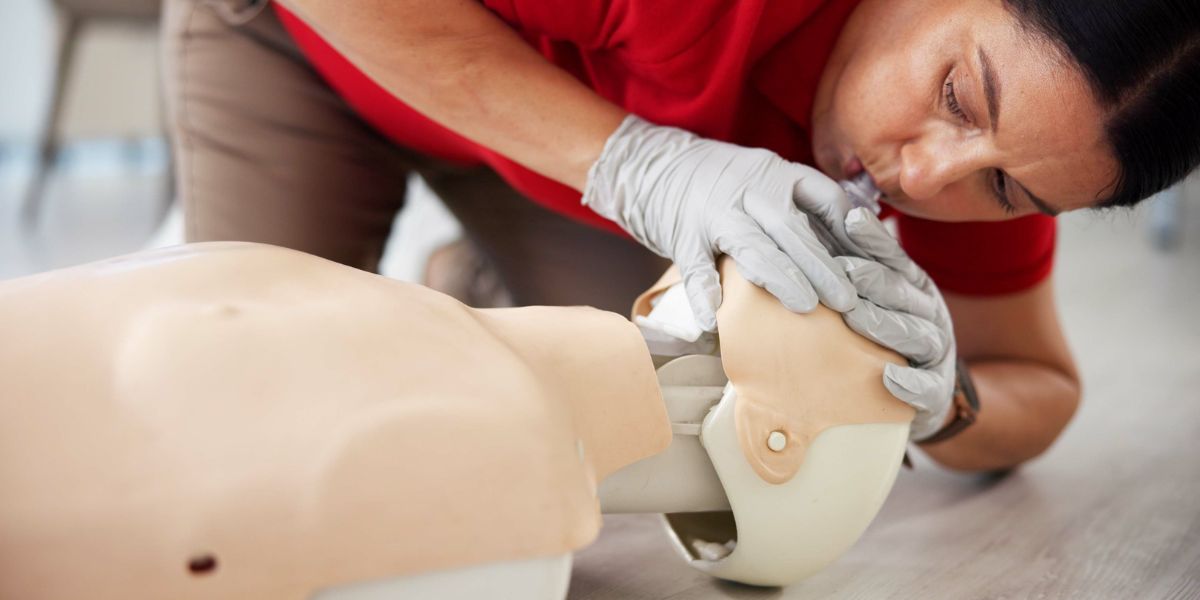
If foam is present during CPR, use gloves and a mask if available, and begin CPR as quickly as possible.
To learn more about CPR and to build confidence in responding to an emergency, consider refreshing your skills with a CPR course today.