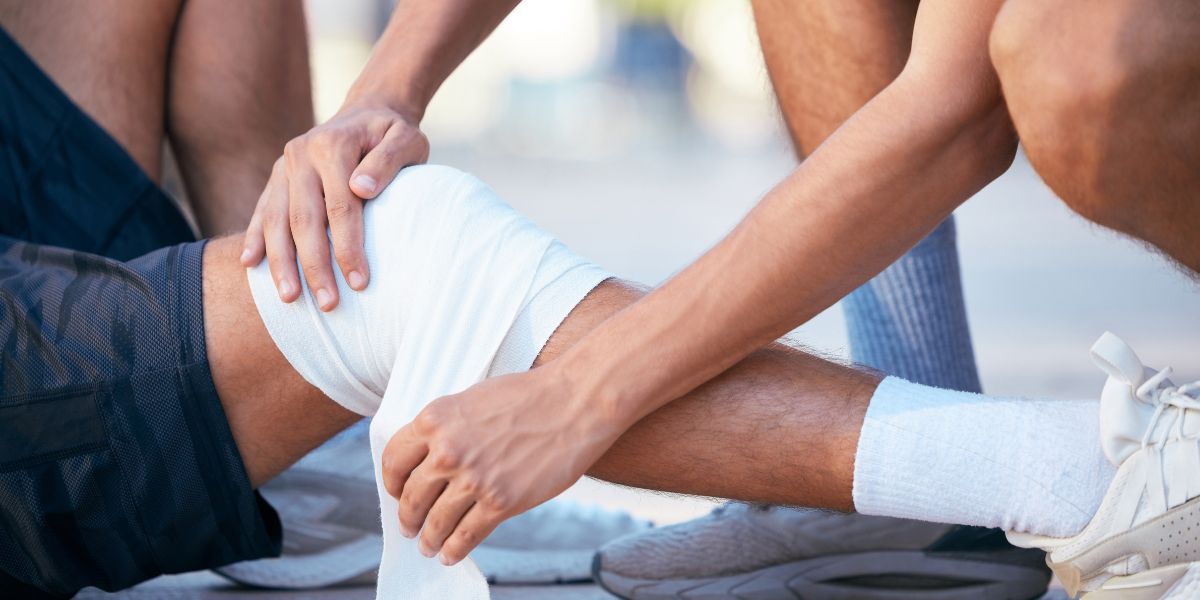
 Fractures and sprains are common injuries that can happen during everyday activities, from sport to simple slips and falls. They can look similar at first, especially with pain and swelling, but they involve different types of damage. A fracture is a break or crack in a bone, while a sprain is an injury to the ligaments that support a joint.
It is not always easy to tell the difference straight away. Both injuries can have damage you cannot see, and may be more serious than they first appear. Seek medical attention as soon as possible, especially if the pain is severe or movement is limited.
How injuries happen
Both fractures and sprains can occur from:
- Falls
- Twisting injuries
- Direct impact (for example, during sport or a collision)
- Sudden force or overextension of a joint
Fractures
Signs and symptoms
- Severe pain at the injury site
- Swelling and bruising
- Visible deformity or unusual shape
- Inability to move or use the limb
- A snapping or grinding sensation at the time of injury
- Bone protruding through the skin in severe cases
Treating a fracture
- Follow the DRSABCD Action Plan if required
- Control any bleeding and cover wounds
- Keep the person still and calm
- Support the injured area in a comfortable position
- Immobilise the limb using a splint or sling if trained
- Apply a cold pack wrapped in cloth to reduce swelling
Sprains
Signs and symptoms
- Pain around a joint
- Swelling and bruising
- Reduced movement or stiffness
- Difficulty bearing weight
Treating a fracture
RICER is a first aid approach used to manage sprains and other soft tissue injuries by reducing pain, swelling and further damage.
- Rest: rest the injured area
- Ice: apply an ice pack for 15–20 minutes every 2 hours
- Compression: use a compression bandage to reduce swelling
- Elevation: elevate the limb above heart level if possible
- Referral: refer for medical advice if symptoms are severe or not improving
What NOT to do
In the first 24–48 hours after a sprain or soft tissue injury, avoid HARM, as these can increase bleeding, swelling and recovery time.
- Heat: DON’T apply heat such as hot packs, hot showers or baths, as this can increase swelling
- Alcohol: DON’T drink alcohol, as it can increase bleeding and delay healing
- Running: DON’T continue strenuous physical activity or put stress on the injury, as this can worsen damage
- Massage: DON’T massage the injured area, as this can increase swelling and bleeding internally
Enrol in a First Aid course today to learn more about the identification and treatment of fractures and sprains.