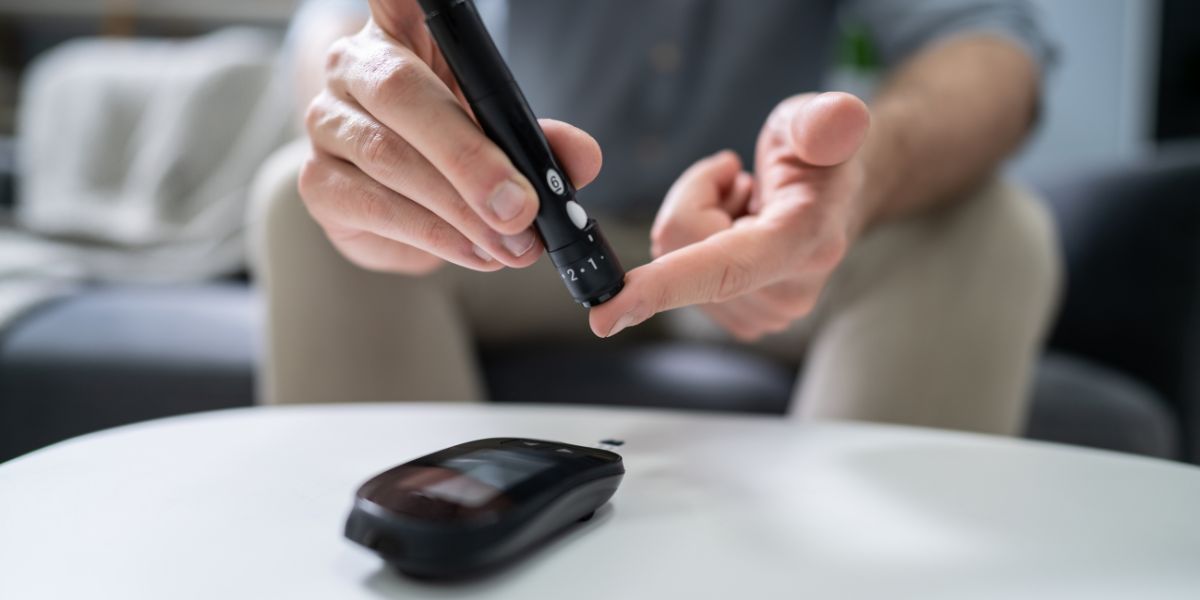
 Hypoglycaemia, also known as low blood sugar, occurs when the level of glucose in the blood drops too low for the body to function properly. Glucose is the body’s main energy source, and the brain relies on a steady supply to function normally.
Hypoglycaemia is most common in people with diabetes, particularly those who use insulin or certain diabetes medications. It can happen when a person takes too much medication, misses a meal or exercises more than usual.
For many people with diabetes, a blood glucose level below 4.0 mmol/L is considered low and should be treated quickly. Hypoglycaemia can become serious if it is not managed and severe cases may lead to seizures or loss of consciousness.
Signs and Symptoms
- Shaking or trembling
- Pale or clammy skin
- Hunger
- Headache
- Dizziness or light-headedness
- Fast heartbeat
- Irritability, anxiety or mood changes
- Confusion or difficulty concentrating
- Slurred speech
- Loss of consciousness (fainting)
Prevention
The best prevention of hypoglycaemia involves careful management of blood glucose levels, especially for people with diabetes. This includes following a diabetes management plan, taking medication as prescribed, eating regular meals and snacks, and checking blood glucose levels as recommended.
People at risk of hypoglycaemia should carry a fast-acting sugar with them, such as glucose tablets, jellybeans, fruit juice or regular soft drink.
It is also important to plan ahead before exercise, avoid skipping meals and speak with a doctor if low blood sugar episodes happen regularly. People who experience severe or frequent hypoglycaemia may need changes to their medication, meals or activity plan.
Treating hypoglycaemia
- Help the person sit or lie down safely
- If they are awake and able to swallow, give fast-acting sugar (e.g. glucose tablet)
- Wait 10 to 15 minutes while monitoring symptoms
- If symptoms continue, give another serve of fast-acting sugar
- Once they improve, follow with a longer-acting carbohydrate, such as a sandwich, fruit, milk or crackers
- Call 000 if the person becomes drowsy, confused, cannot swallow or loses consciousness
If you are unsure whether the person has high or low blood glucose, ANZCOR advises that the safest first aid approach is to treat as hypoglycaemia. Giving sugar may help if the person’s blood glucose is low and is unlikely to cause harm if it is high.
What NOT to do
- DON’T give diet soft drink or low-sugar lollies as it will not raise blood sugar effectively
- DON’T provide insulin unless the person requests help with their own medication