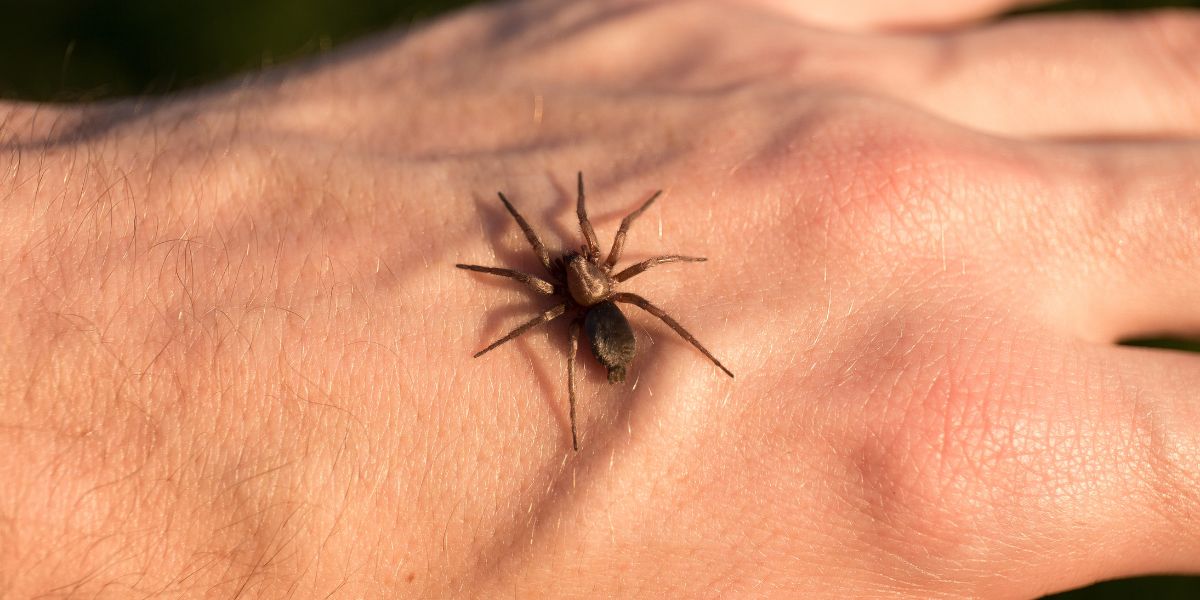
 Insect and spider bites and stings are a common first aid thing and usually cause local pain, redness and swelling. Most can be treated with simple first aid, however some bites and stings can cause severe allergic reactions or serious illness and require urgent medical attention.
How a person reacts depends on the type of insect or spider involved, how much venom was injected and whether the person has an allergy.
Common signs and symptoms
- Pain, burning or stinging at the site
- Redness and swelling
- Itching
- A raised lump or blister
Signs of a serious reaction
- Difficulty breathing or swallowing
- Swelling of the lips, tongue or throat
- Collapse or loss of consciousness
- Severe or spreading pain
- Signs of anaphylaxis
Spider bites
Most spider bites cause mild symptoms, but some Australian spiders can cause serious illness.
Treating most spider bites
- Wash the area with soap and water
- Apply a cold pack to reduce pain and swelling
- Use simple pain relief such as paracetamol if needed
- Seek medical advice if symptoms worsen
Funnel-web spider bites
Funnel-web spiders are found mainly in New South Wales, and their bites can be life-threatening if not treated quickly.
Treating funnel-web spider bites
- Call 000 for an ambulance
- Follow the DRSABCD Action Plan
- Keep the person still and lying down
- Remove jewellery from the affected limb if possible
- Do not wash the bite area
- Apply a pressure immobilisation bandage using the PIT technique if possible
- Stay with the person until help arrives
Bee and wasp stings
Bee and wasp stings can cause pain, swelling, and redness. Wasps can sting repeatedly. Bees leave a stinger behind.
Treating bee and wasp stings
- Look to see if the stinger is still present (look for a small black dot at the sting site)
- If there is a stinger, remove it by scraping it off rather than squeezing (you can use something hard like a credit card to swipe over the area)
- Wash the area with soap and water
- Apply a cold pack to reduce pain and swelling
- Use simple pain relief or antihistamines if needed
Call 000 if:
- The person has a known allergy to bee or wasp stings
- Signs of anaphylaxis occur
- The person is stung in the mouth or throat
- An adult is stung more than 10 times or a child more than 5 times
Ant, mosquito and other insect bites
Bites and stings from insects such as ants, mosquitoes, march flies, sandflies and centipedes usually cause local pain, redness and swelling. For most people, symptoms are mild and settle with general first aid.
Some insects, particularly ants, carry a higher risk of allergic reaction, so it is important to monitor the person and seek medical advice if symptoms worsen.
What NOT to do
- DON'T apply direct heat such as hot water or heating pads
- DON'T squeeze, cut or try to drain the bite or sting
- DON'T scratch the area, as this can lead to infection
- DON'T apply household chemicals or home remedies, such as vinegar, alcohol, toothpaste or essential oils
Our First Aid training course teaches you how to recognise and respond to a range of bites and stings. Enrol in a course today: