 A seizure happens when there is a sudden disruption to the brain’s normal electrical activity. It can look dramatic and frightening, but many seizures end on their own within a few minutes and do not cause lasting harm.
Seizures can have many different causes. These include epilepsy, fever in young children, diabetes, stroke, head injury, lack of oxygen, meningitis, brain tumour, poisoning, alcohol and other drugs. Sometimes a person may have a seizure for the first time with no known history.
Epilepsy is a medical condition where a person has repeated seizures. Seizures can affect people in different ways. Some involve the whole body, with collapse, loss of consciousness and jerking movements. Others may be more subtle, such as staring, confusion, unusual behaviour or twitching in one part of the body.
Most seizures last from around 30 seconds to 3 minutes. A seizure lasting more than 5 minutes is a medical emergency. You should also call Triple Zero if the person has repeated seizures, does not wake up after the seizure, is injured, is pregnant, has diabetes, the seizure happens in water or it is their first seizure.
Signs and Symptoms
- Sudden collapse
- Loss of consciousness
- Stiffening or jerking movements of the body, arms or legs
- Noisy breathing
- Excessive saliva or frothing at the mouth
- Loss of bladder or bowel control
Prevention
Not all seizures can be prevented, especially if the cause is unknown. For people with epilepsy or a known seizure history, prevention usually means reducing known triggers and having a clear plan in place. Common triggers can include missed medication, lack of sleep, stress, illness, alcohol, recreational drugs, dehydration, flashing lights and overheating.
People who have seizures should follow medical advice, take prescribed medication as directed, and speak with their doctor if seizures change or become more frequent. A seizure management plan can help friends, family, carers or coworkers know what to do if a seizure occurs.
Around water, extra care is important. People with a known seizure condition should avoid swimming alone and should tell a responsible person about their condition before taking part in aquatic activities.
Treating a seizure
- Stay calm and start timing the seizure.
- Move furniture, equipment or other hazards away from the person to help protect them from injury.
- Protect their head if you can do so safely, such as by placing something soft under it.
- If the seizure happens in water, support the person’s head so their face stays clear of the water and remove them from the water as soon as it is safe.
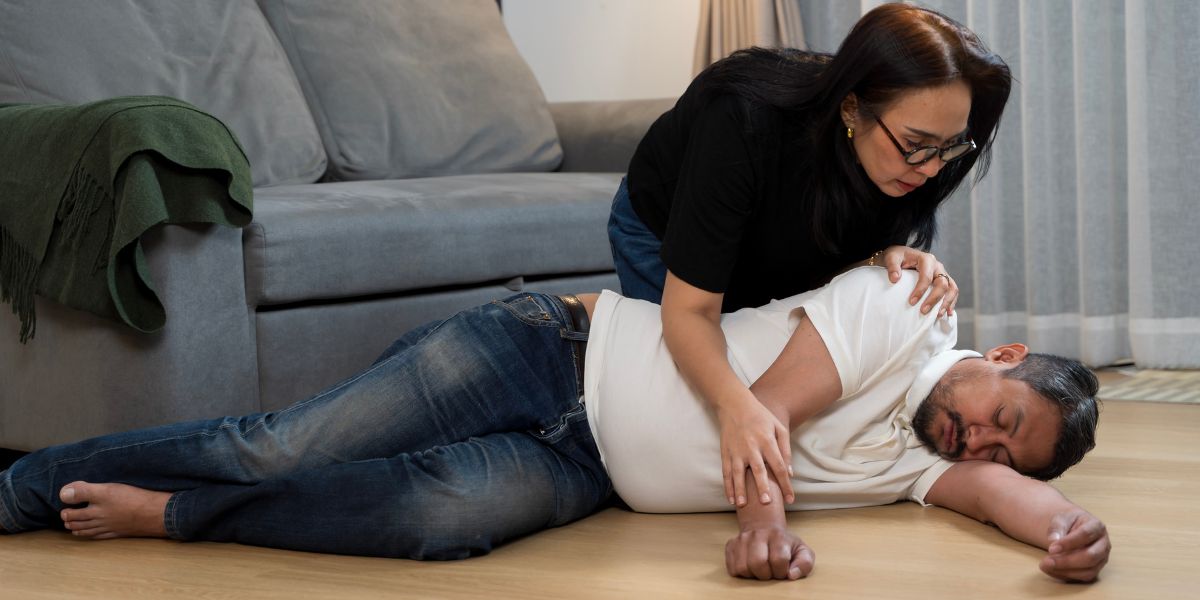
- Once the seizure stops, follow the DRSABCD Action Plan. If the person is unconscious and breathing normally, place them in the recovery position and keep monitoring their breathing.
- Reassure the person as they wake. They may be confused, embarrassed, tired or upset. Speak calmly and explain what happened.
- Call Triple Zero (000) if you have any doubt about the cause, length or severity of the seizure.
What NOT to do
- DON’T restrain the casualty unless essential to avoid injury.
- DON’T put anything in the casualty’s mouth.
- DON’T move the person unless they are in danger, such as near water, sharp objects, hot surfaces or are in danger of falling.
- DON’T give food, drink or medication during the seizure.