 Shock is more than an emotional reaction after a frightening event, it also refers to a life-threatening medical condition that happens when the body is not getting enough blood and oxygen to its vital organs.
It can be caused by major bleeding, severe burns, hypothermia, anaphylaxis, fluid loss from diarrhoea or dehydration, emotional trauma or any serious injury or medical condition.
Shock can be difficult to recognise because early signs may be mistaken for a person’s reaction to an injury or medical emergency. Always call Triple Zero (000) if you think someone may be experiencing shock.
Signs and Symptoms
- A rapid or weak pulse
- Pale and clammy skin
- Rapid, shallow breathing
- Dizziness or light-headedness
- Nausea or vomiting
- Increased thirst
- Confusion or drowsiness
- Unconsciousness
Prevention
Shock cannot always be prevented, but quick action may stop it from becoming more severe. Serious injuries and illnesses should be treated as soon as possible. This includes controlling heavy bleeding, providing first aid for burns and following an allergy action plan for anaphylaxis. Seeking medical help early can also reduce the risk of the person’s condition getting worse.
Treating shock
- Control any bleeding by applying direct pressure. Treat other urgent injuries according to your first aid training.
- Follow the DRSABCD action plan and call Triple Zero (000) immediately.
- Keep the person calm and help them to lie down. Place them in the recovery position if they are having difficulty breathing or are likely to vomit.
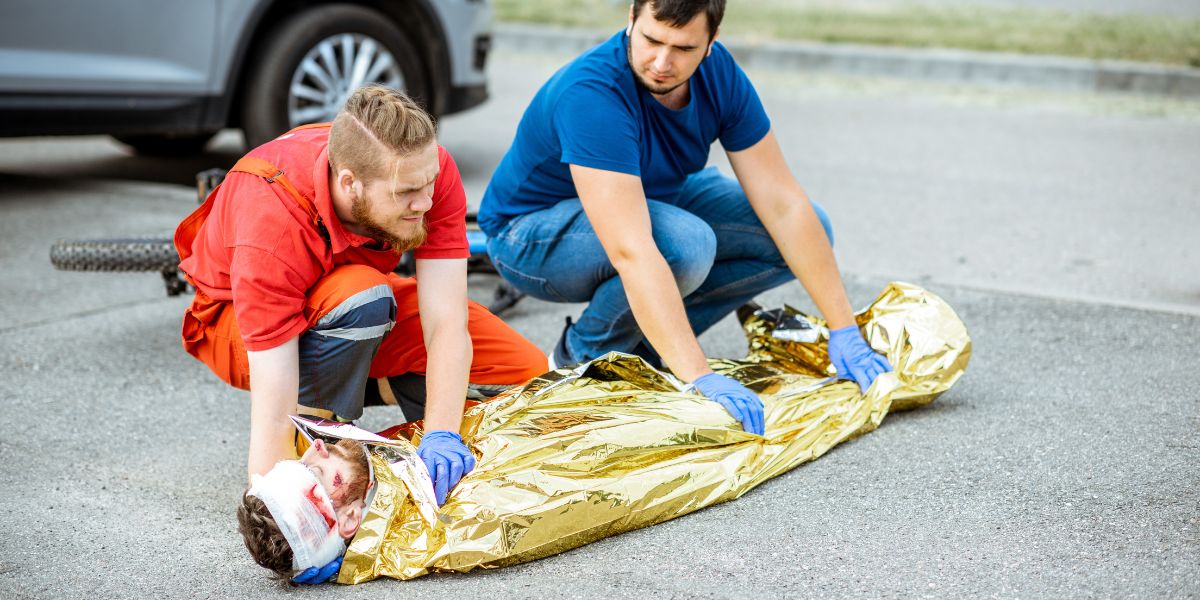
- Maintain their body temperature by removing wet clothing and cover them with a blanket or jacket.
- Continue monitoring and recording their vital signs to inform paramedics when they arrive.
What NOT to do
- DON’T raise the person’s legs.
- DON'T warm with direct heat such as a fire, electric heater or hot water bottle on bare skin.