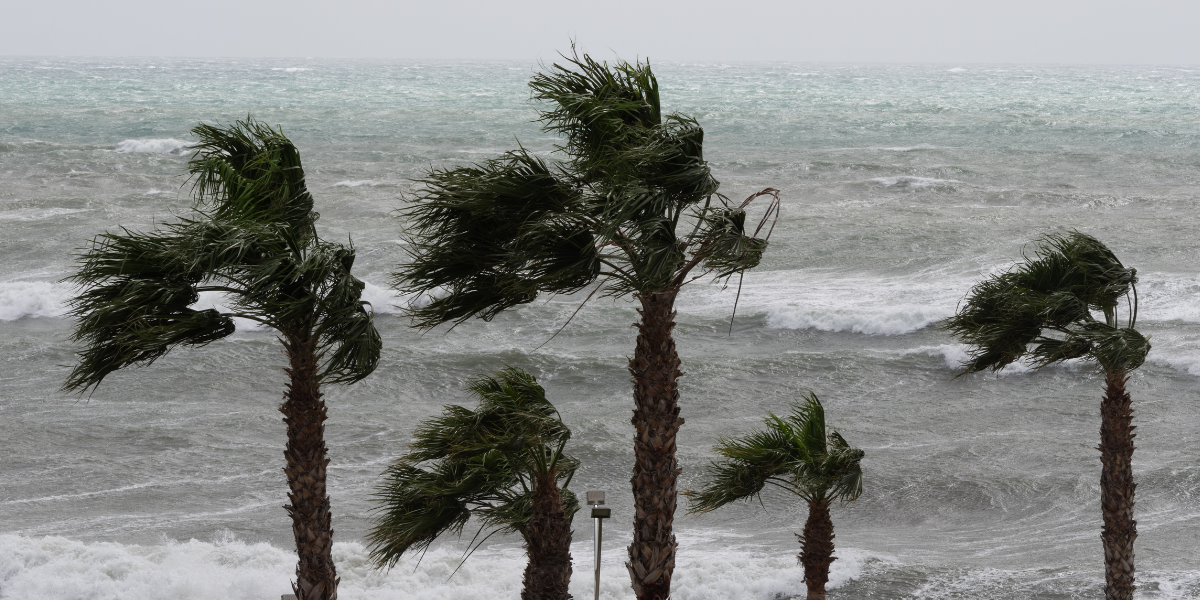
 Weather conditions on the coast, ocean, rivers and lakes can change fast. Know your marine weather hazards and what to look out for so you can stay safe while boating, fishing or paddling.
Marine weather hazards
Every year, marine rescue and lifesaving teams respond to thousands of calls for help from people on the water. Many of these incidents are brought about by changing weather conditions. Marine weather hazards include:
Wind, gusts and squalls
Windy conditions can make your activities on the water dangerous. Wind speed varies due to gusts and lulls, with forecasts providing an average across both. Gusts can be 40% higher than the average wind speed, and up to more than double the average wind speed in squalls and thunderstorms.
It's useful to learn about your local wind patterns, and to understand marine wind warnings.
Waves and swell
Large waves and swells can be hazardous, but so can smaller sea and swell waves, particularly for smaller vessels.
Swells can also travel great distances and can arrive even when the weather appears calm, which can catch you off guard and create unsafe conditions.
Tides and sea level
It takes around 6 hours to go from low tide to high tide or vice versa, and as the tide changes it can affect the behaviour of waves, currents and water levels. Below are the main things to know about tides:
- Water levels rise fastest around mid-tide
- Rising tide brings surging waves
- The weather can change the predicted tide levels
- When the tidal current and wind direction are in opposite directions, waves can become steeper and closer together
- Tide times change every day and in different locations
Severe weather
Severe weather can make conditions for marine activities including boating and rock fishing unsafe. It can cause hazardous conditions such as:
- heavy rain with poor visibility
- damaging and destructive winds
- flooding
- lightning
- large hail
- storm surge, damaging surf and unpredictable currents
The 5 vital weather safety checks
Whether you're going boating, rock fishing or paddling, remember to complete these 5 weather safety checks.
- Changing weather or weather warnings
- Wind conditions
- Wave conditions or water levels and flow
- Marine warnings
- Tide times
Learn more at the Bureau of Meteorology:
Marine Weather Safety