3 December 2025
Inclusive lessons making waves across WA
Royal Life Saving WA’s Specialised Access and Inclusion Lessons (SAIL) have continued to expand across Western Australia in Term 4, with programs now running in Kwinana, Fremantle and Geraldton.
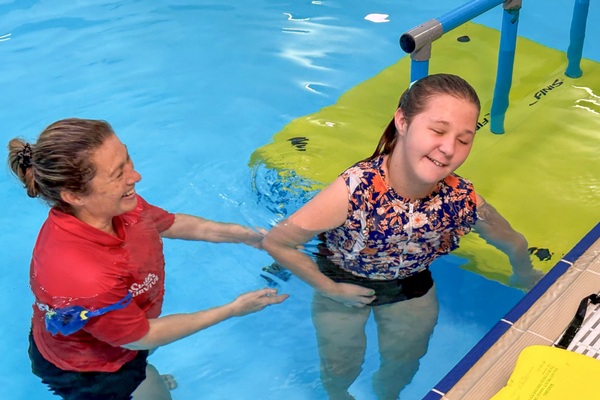
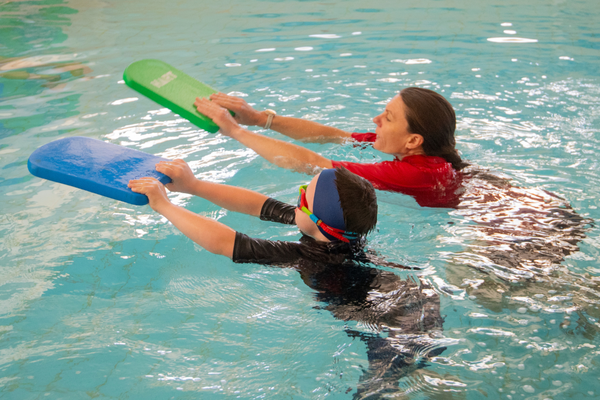
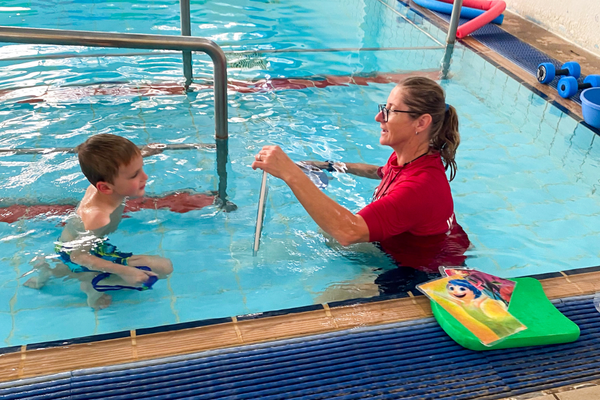
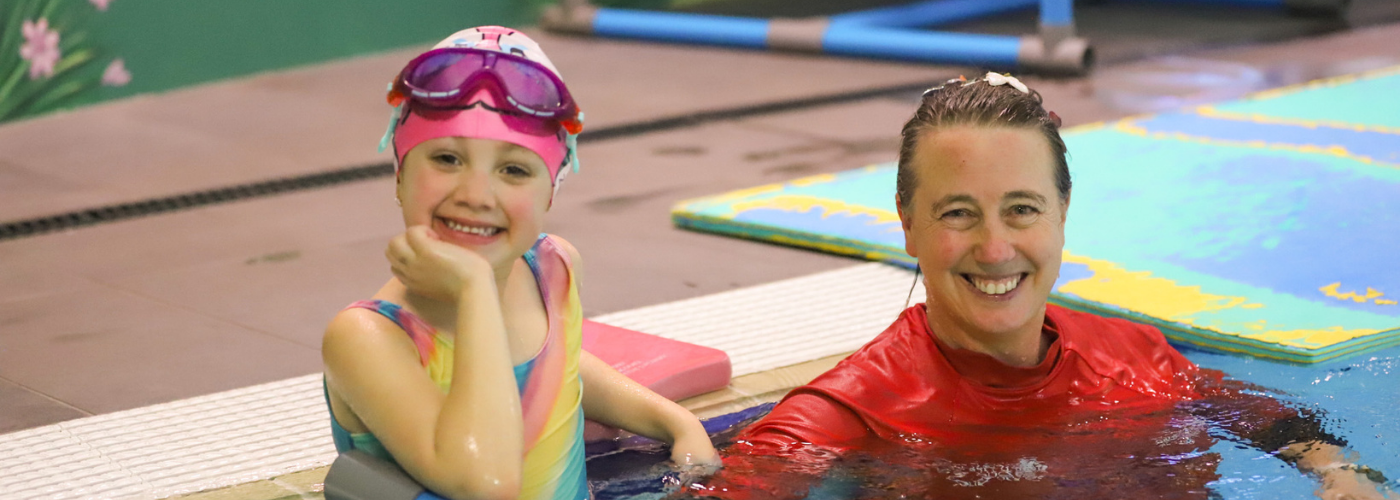
Supported by the WA Swim and Survive Fund, the SAIL program provides one-on-one swimming and water safety lessons for individuals who require specialised support due to physical, behavioural, sensory or intellectual needs. These lessons play a vital role in improving confidence, building skills and breaking down barriers to participation in aquatic environments.
The need is significant, with national drowning data showing that children with disabilities are overrepresented in drowning statistics. Sensory overload, group-lesson environments and cost are often cited as barriers to participation. The SAIL program addresses these issues through personalised teaching, reduced-sensory spaces and subsidised lesson fees.
In Term 4, SAIL programs were delivered at Kwinana Recquatic, which teaches more than 200 SAIL participants each year; Fremantle Leisure Centre, a new SAIL partner that launched its first program in Term 3 with 44 participants; and Geraldton Aquarena, where the program was delivered by Royal Life Saving WA with support from Mitsui E&P Australia and Beach Energy, growing from six students in Term 1 to ten in Term 4.
New pilot locations are set to launch in Busselton, Mandurah, and Karratha in early 2026 as demand continues to rise. Term 1 next year will see three new SAIL pilot sites funded by the Swim and Survive Fund at Geographe Leisure Centre in Busselton, the City of Mandurah Aquatic and Recreation Centre, and Karratha Leisureplex. These sites will provide lessons to at least 60 students, with room to grow.
With many children beginning their swimming journey through one-on-one lessons, instructors highlight that SAIL also creates pathways into group lessons and, eventually, employment in the aquatic industry, helping build long-term inclusion within local communities.
Parents and instructors across Geraldton have praised the impact of the program and its tailored approach.
“It went really well. Very appreciative parents, whose main feedback was how well their kids participated and learnt in one session... I think the success was largely due to less distractions and sensory overloads,” said Royal Life Saving WA Swimming Instructor Theresa.
Kerrie, a parent of a child in the program, also noted how much the program had impacted her son.
“Edward has enjoyed his lessons [and] he looks forward to swimming all week! He made so much progress in the lessons because the teacher was able to give him individualised instructions and feedback, as well as giving him extra processing time, explaining things clearly and checking for understanding which doesn’t tend to happen in group lessons. Edward was also able to attend to what the teacher was saying without the distraction of other students and felt confident to try new things in the one-on-one environment. He is looking forward to his lessons this term.”
Today, on the United Nations International Day of People with Disability, Royal Life Saving WA reaffirms its commitment to improving accessibility across the aquatic sector. Programs like SAIL demonstrate this commitment in action, as the organisation continues to work with partners and industry leaders to deliver practical, inclusive solutions that create meaningful change for children and adults with diverse needs.
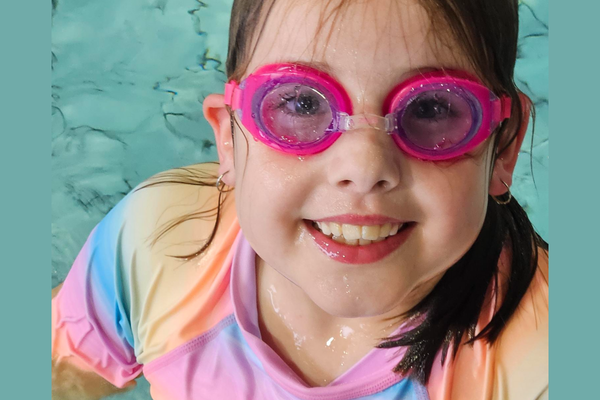
These stories reflect the core aim of SAIL: supporting children to participate safely and confidently through an environment that meets their unique needs.
The Swim and Survive Fund currently helps hundreds of children with disabilities to access specialised swimming and water safety lessons each year. However, demand continues to grow.
If you would like to help more children access lifesaving swimming and water safety education, you can donate to the Swim and Survive Fund. Every contribution helps create a safer, more inclusive future.