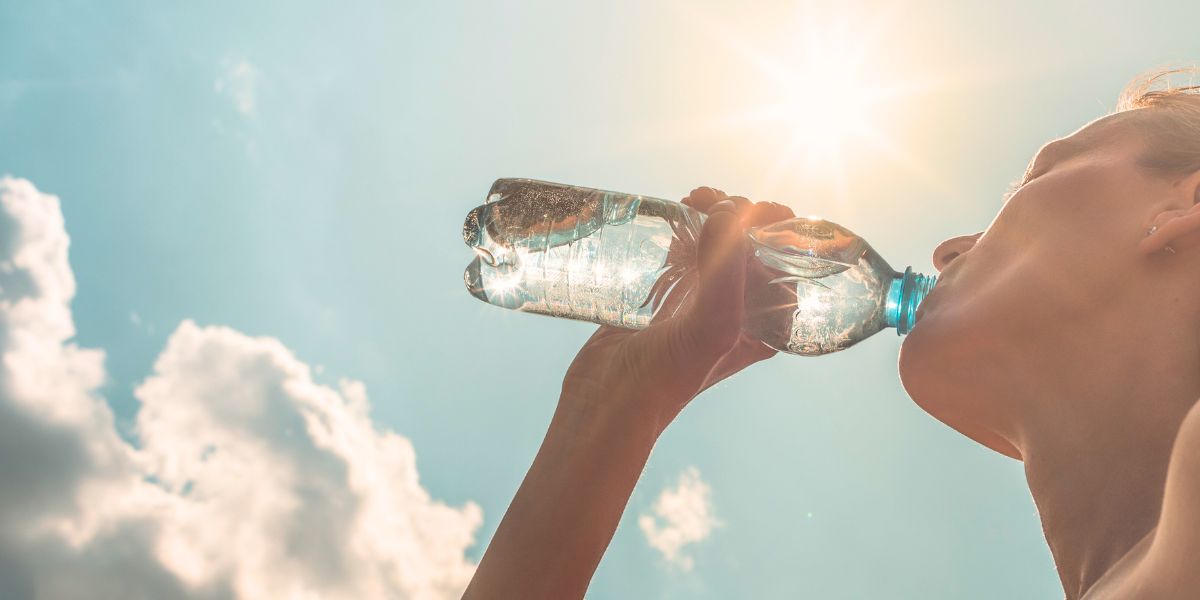
 Heat exhaustion and heatstroke are heat-related illnesses that happen when the body becomes too hot and cannot cool itself properly. Together, these conditions are known as hyperthermia.
Common causes of hyperthermia include hot or humid weather, physical exertion, not drinking enough fluids, certain illnesses such as infections and the use of some drugs. If these conditions are not treated promptly, they can be life threatening.
Note: Hyperthermia is the opposite of hypothermia. Hyperthermia refers to an abnormally high body temperature caused by overheating. Hypothermia occurs when the body temperature drops too low.
Heatstroke
Heatstroke is the most serious heat-related illness and requires immediate attendance of an ambulance and hospital care. Heatstroke occurs when the body’s temperature reaches and exceeds 40 degrees, and is usually the result of the body being unable to regulate its temperature. In severe cases, heatstroke can cause damage to body cells, failure of the circulatory system and multiple organ failure, which can result in death.
Signs and Symptoms
- Dry, red or hot skin
- Sweating stops
- Intense thirst
- Rapid pulse and fast, shallow breathing
- Irrational behaviour or confusion
- Difficulty speaking or slurred speech
- Problems with movement and coordination
- Nausea or vomiting
- Loss of consciousness
Prevention
Heatstroke can be prevented by carefully managing exposure to heat and reducing activities that place extra strain on the body. During hot or humid weather, strenuous physical activity should be avoided where possible, particularly during the hottest parts of the day. Regular breaks should be taken in shaded, well ventilated or air conditioned areas to allow the body time to cool.
Drinking water frequently is essential, even if you do not feel thirsty, as thirst is often a late sign of dehydration. Light coloured, loose fitting clothing and a wide brimmed hat should be worn to help reduce heat absorption and support cooling.
Extra care should be taken with children, older people, and those with medical conditions, as they are at greater risk of heatstroke. Never leave anyone in a parked vehicle, even for a short period of time, as temperatures can rise rapidly and lead to heatstroke very quickly.
Treating heatstroke
- Call 000 for an ambulance
- Follow the DRSABCD Action Plan
- Lay casualty down in the shade or cooler environment (out of the sun)
- Remove excess clothing
- Cool the casualty rapidly by applying ice packs to the neck, groin and armpits
- Sponge or spray the casualty with water and fan their skin
- Offer small sips of cool water if the casualty is conscious
- Continue to monitor their condition
What NOT to do
- DON’T give aspirin, paracetamol or ibuprofen
- DON’T provide alcohol, caffeinated drinks or energy drinks
- DON’T use ice baths unless directed by medical professionals
Heat Exhaustion
Dehydration and heat exhaustion are milder forms of heat-related illness that are a response to fluid loss, usually due to excessive sweating. Heat exhaustion is relatively easy to manage but must be treated quickly to prevent the more dangerous condition of heatstroke developing.
Signs and Symptoms
- Muscle cramps
- Profuse sweating
- Headaches or dizziness
- Thirst
- Weakness
- Nausea
- Dark-coloured urine
Prevention
The prevention of heat exhaustion follows the same principles as heatstroke. Adequate fluid intake is particularly important, as heat exhaustion is commonly linked to fluid and salt loss through sweating. Activity levels should be reduced at the first signs of fatigue, dizziness or excessive sweating, and rest should be taken in a cool or shaded area. Early recognition and prompt cooling can prevent heat exhaustion from progressing to heatstroke.
Treating heat exhaustion
- Move the person to a shaded or cooler area, away from the sun
- Loosen and remove excess clothing
- Offer small sips of cool water
- Help cool the person by spraying or misting with water and using a fan
- If symptoms do not improve quickly with rest, cooling and fluids, do not delay seeking medical assistance
Learning how to recognise and respond to heat exhaustion and heatstroke can save lives. Sign up for our first aid course to build practical skills, refresh your understanding, and be prepared to respond when it matters most.