 When someone is in trouble in the water, it’s natural to want to help straight away. But entering the water can put you at risk, too.
The most important rule when performing an aquatic rescue is to stay safe, so you don’t become another person in need of rescuing.
Before you act, stop and look for danger. Check at the water, the weather, your surroundings and assess your own ability before you get in.
Ask yourself:
- Is it safe for me to help?
- Do I have the skill and fitness to do this rescue?
- Is the water too rough, deep, cold or fast moving?
- Can I get back out safely?
- Is there a safer way to help from land?
If you are not sure, stay out of the water and call for help.
When to stay out of the water
Do not enter the water if the rescue is beyond your ability or the conditions are unsafe.
This may include rough water, strong currents or rips, poor visibility, rocks, submerged hazards, cold water or no safe exit point. You should also avoid getting close to a non-swimmer unless you are trained and have a rescue aid, as they may grab you and pull you under.
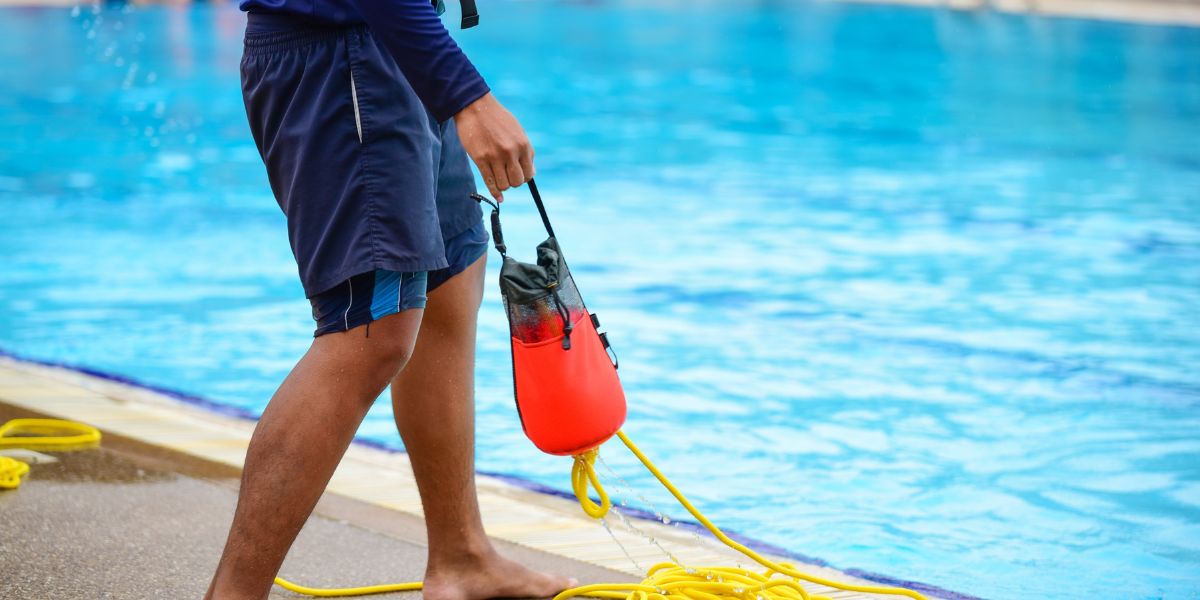
A dry rescue is the safest option because it keeps you out of the water. Start with simple ways to help from land, such as talking to the person, reaching with a branch, towel or rescue aid, or throwing something that floats. You can also call Triple Zero, alert a lifeguard or ask bystanders to help.
Be extra careful around rocks
Rock fishing locations can be especially dangerous because conditions can change quickly. Waves and swell can wash over rocks without warning, and wet surfaces can be slippery. If someone is washed in, the water around the rocks may be rough and difficult to escape from.
Instead, call for help immediately either from a lifeguard, Marine Rescue or Triple Zero. If there is public safety equipment such as a rope, lifejacket or floatation aid, throw this into the water towards the person. Keep talking to them if they can hear you, and encourage them to float and move away from the rocks when it is safe to do so.
The right rescue is a safe rescue
Good rescuers do not rush in without thinking. They take a moment to look for danger, call for help, and choose the safest way to assist.
A successful rescue is not just about helping the person in trouble. It is also about making sure the rescuer stays safe.
Learn the skills to make safe, confident decisions around water. Enrol in a Bronze Medallion course today.